
The 5 Most Common Mistakes in Home Decoration
July 11, 2023
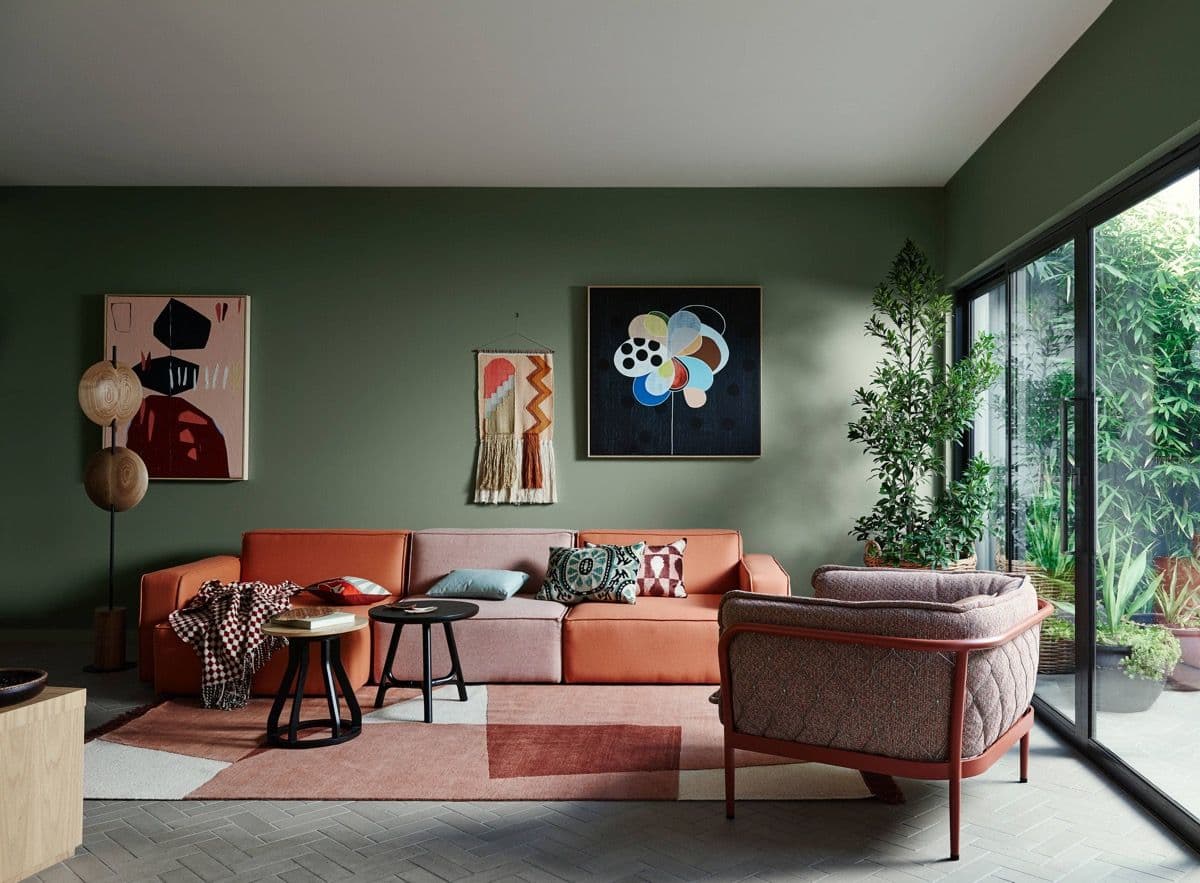
Although home decoration is built on personal taste and style, the need to follow some general rules and avoid certain mistakes is universal. These rules are designed to raise overall aesthetics and functionality, and to make a space look larger and more pleasant. Unfortunately, mistakes made unintentionally or carelessly can negatively affect the look and feel of a home. Here is a guide to the five most common mistakes in home decoration and how you can avoid them.
1. Don't Cover Every Wall
You don't have to place a sofa or table in front of every wall in a room. On the contrary, doing so creates a boring, monotonous look rather than an orderly space. So when placing furniture, analyze carefully 'for what purpose and how often' you will use each piece.
2. Don't Lose the Home's Natural Light
When it comes to home decoration, the first factor to consider is light. Focus on making the most of the daylight coming through the windows. It's especially helpful to stay away from classic-style thick and heavy curtains. Light-colored sheer curtains or adjustable roller blinds will make your home look much more spacious and lively.
3. Avoid Overusing Objects
Combining a modern piece with a vintage side table to create an eclectic style is a successful decor move. But if you overdo the 'a little of this, a little of that' approach and fill the room with too many objects and accessories, the only thing you'll get is, unfortunately, a gaudy and cramped space.
4. Don't Use More Than One 'Star' in a Room
Even though simple home decoration is desirable, every room should have a 'star'—a stylish focal point that draws attention. The key thing to watch here, much like the neckline rule in evening gowns, is to keep the star singular. Using, for example, a grand TV unit and a showy antique console in the same room is not the best choice.
5. Don't Overlook Object/Room Proportion
The ratio between the room's size and the furniture used in that room is something to pay attention to. Otherwise, the space can end up looking narrower and more cramped than it really is. Before buying new furniture, drawing a sketch of the room and calculating how much space to leave will eliminate this risk. When calculating these spaces, make sure to leave room to move around. Remember, these rules apply to everything from rugs to artwork on the walls. For instance, a small frame hanging alone on a huge wall can look totally out of place.